Let's be direct: an energy pouch isn't a consequence-free product, and neither is any other source of caffeine for that matter. It's not dramatic, but it's worth knowing about rather than discovering at the wrong moment.
Cardiovascular effects
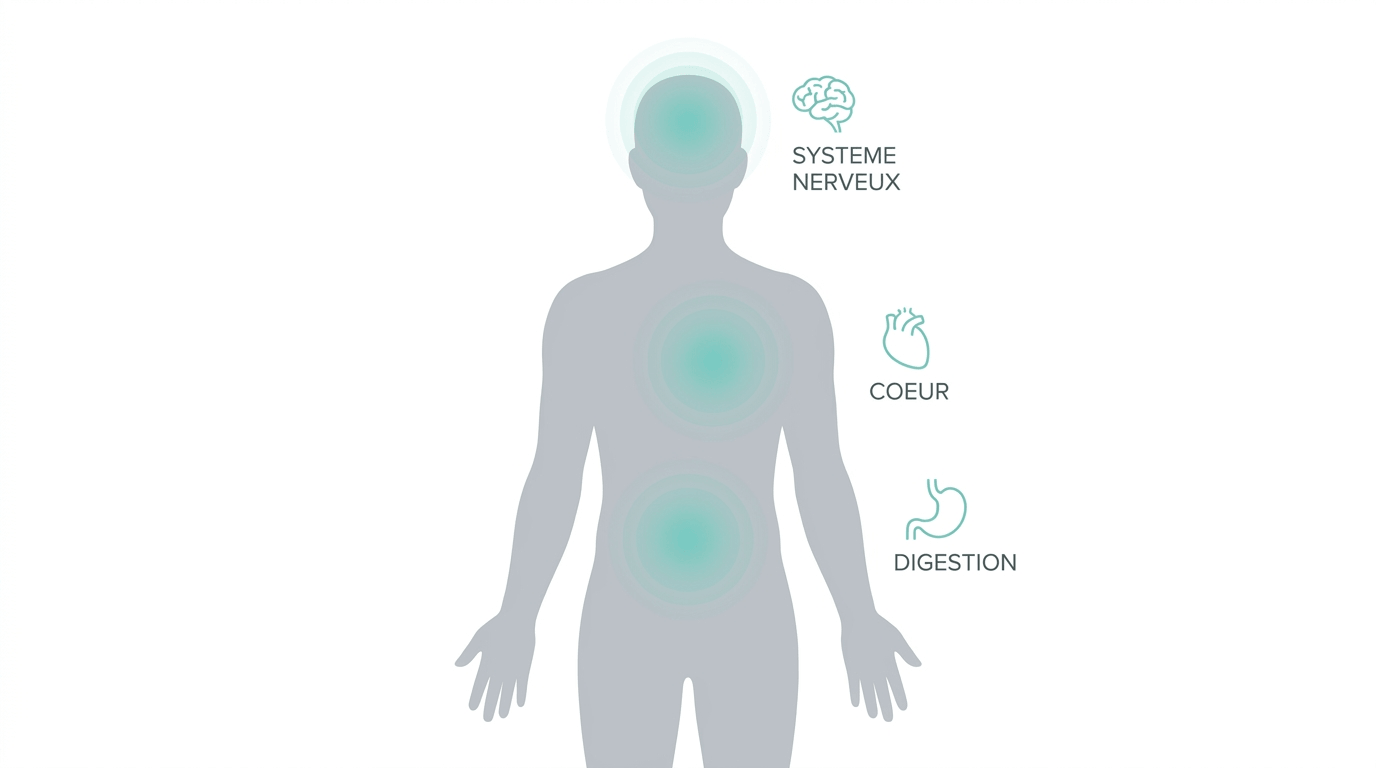
This is probably the best known, and not just in people's imagination: at excessive doses or in sensitive people, caffeine can cause a feeling of chest tightness, a faster heart rate, or a slight rise in blood pressure. Health authorities list these effects in their guidance on energy drinks and their health effects, noting that they mainly occur beyond individual maximum tolerance thresholds.
In the vast majority of cases, these sensations remain temporary and not serious. But if they're frequent, intense, or accompanied by other worrying symptoms, it's no longer just a simple caffeine side effect — that's the time to talk to a healthcare professional.
Behavioral and neurological effects
Jitteriness, irritability, anxiety, trouble falling asleep: these are the most common effects, and also the easiest to link directly to the dose consumed. The same health authority guidance also mentions, for marked excess, more severe reactions like panic attacks — cases that remain the exception, generally linked to consumption far beyond what reasonable pouch use represents.
Digestive effects
Less talked about but very real: caffeine stimulates gastric acid production, which can cause heartburn or digestive issues in sensitive people, particularly on an empty stomach. It also has a mild diuretic effect, which is worth offsetting with sufficient hydration.
What determines whether you're affected or not
None of this is automatic. These effects mainly depend on three things: the total caffeine dose consumed in a day (see our article on how many pouches per day at most), your personal sensitivity (often linked to genetic factors, detailed in our article on caffeine sensitivity), and the timing of consumption, especially in the evening when effects on sleep become more likely (see our article on caffeine and sleep).
EFSA, on its reference page dedicated to caffeine, also notes that a daily intake of up to 400mg remains without identified safety risk for a healthy adult — a useful benchmark to keep things in perspective without ignoring signals your body may send you before reaching that threshold.
When you should really worry
Most of the effects described here remain mild and reversible: they disappear simply by reducing the dose or spacing out intake. What should raise more concern is the repetition or unusual intensity of a symptom, particularly marked chest pain or palpitations that last. In that case, it's better to see a doctor than to systematically attribute it to caffeine without checking.
Conclusion
An energy pouch, like any source of caffeine, can have real side effects — cardiovascular, behavioral or digestive — but they're generally linked to excessive dosing or particular sensitivity, not to an inherent danger in the product itself. The good news is they're largely avoidable by simply adjusting your consumption to your own profile.
FAQ
Can a FUEL POWER pouch cause palpitations? It's possible with excessive consumption or in people sensitive to caffeine, as with any caffeine source.
Are caffeine's side effects dangerous? In the vast majority of cases, no: they remain temporary and disappear by reducing the dose or spacing out intake.
Why do I get heartburn after a pouch? Caffeine stimulates gastric acid production, which can cause digestive discomfort in some people, particularly on an empty stomach.
At what dose do side effects become more likely? This depends heavily on individual sensitivity, but general safety benchmarks sit around 400mg per day across all sources.
Should I see a doctor if I have a side effect? Not for a one-off, mild effect, but intense, repeated or worrying symptoms deserve a medical opinion.
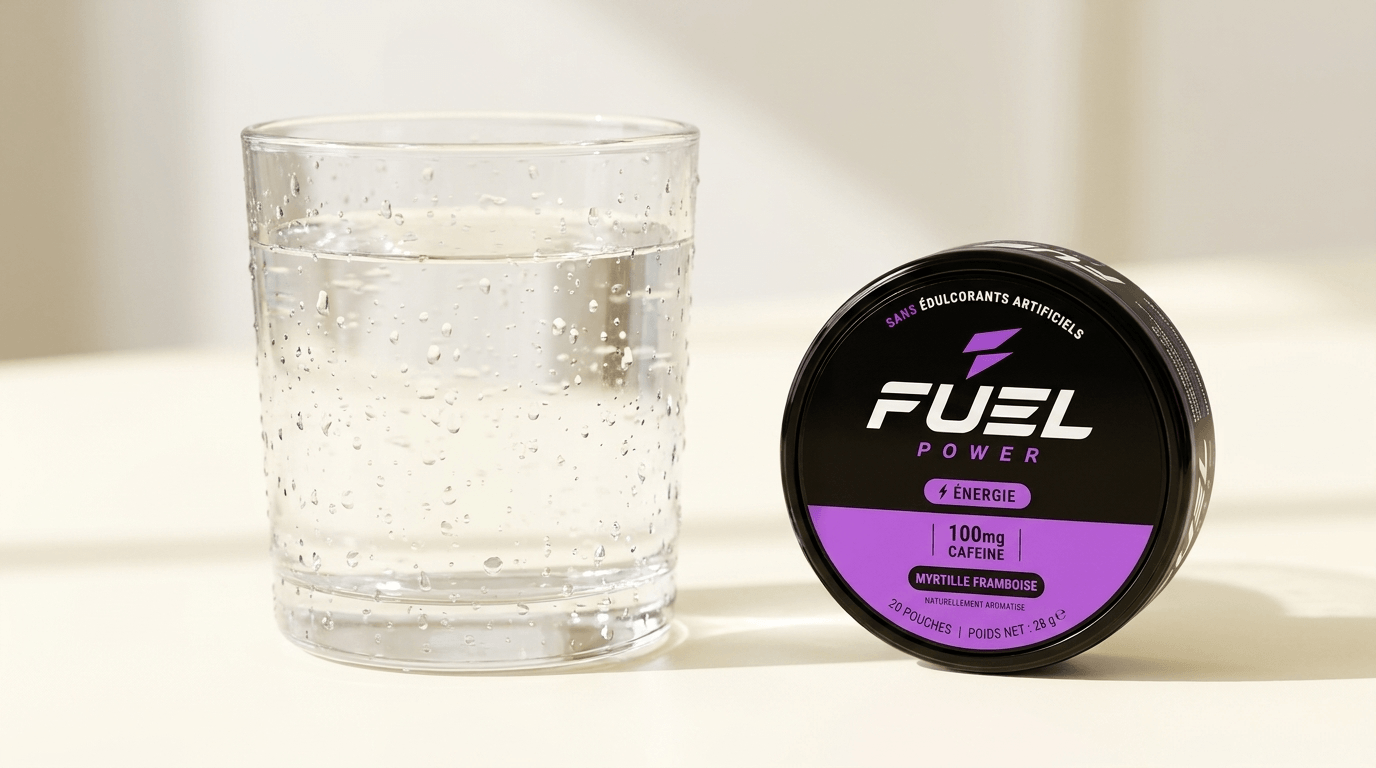
Want reasonable, transparent use? Discover the 6 FUEL POWER flavors, all dosed at 100mg of caffeine.